
| Home page and purchase through PayPal | Description | Contents |
Introduction
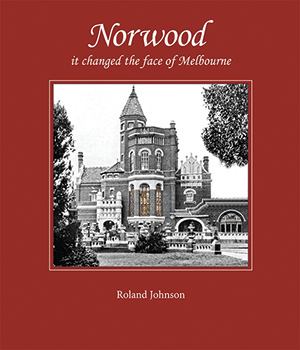 The mansion Norwood has been described as the ultimate Boom Mansion, sometimes described as a folly, which, in fact, we will find it was. The Oxford English Dictionary’s second definition of folly is, “costly structure (considered) useless – f F[rench] use of folie = favourite abode.” The desire to build homes far beyond their basic need – but to broadcast their apparent success in life, business and society – has always been strong and continues, often ending in disaster. Millions of pounds won from the goldfields were invested in these mansions, giving us a very small return of those few which survived. We are very much a debtor nation, whereas we could have greater net worth had we invested more wisely. One who had only a minor part in the events in the creation of the enormous wealth of the colony of Victoria and its destruction in a few, short years, was a financier, Mark Moss, who built Norwood. However, his story is typical of the dozens who believed that the good times of the 1880s would never end. To place the story of Norwood in context, we go back to the remarkable story of the origins of Melbourne, the financial disaster of the 1840s and then to the story of the gold rush, which was the foundation of the irrational land boom, leading in turn to the waste of the colony’s wealth on mansions like Rupertswood, Werndew, Werribee Park Mansion, Cliveden, Ripponlea, Gleneira, Barwon Park, Illawarra, Norwood and others, which had a value at the end of the century of only a fraction of their cost. The later occupiers of Norwood had remarkable stories to tell. Melbourne’s founder, John Pascoe Fawkner, seems to have had scant recognition; in a recent comprehensive history of Australia he is not even mentioned. His contribution to the establishment of a remarkable, democratic Melbourne is emphasised in this book.‘Norwood’ is a story with a beginning and, unfortunately, an ending of a remarkable fifty-five years, following the lives of half-a-dozen people not normally recognised as significant players. The ubiquitous Thomas Bent pushes himself into the story, uninvited. I have not attempted to write a definitive history, but a history to interest all readers and have relied heavily on secondary sources; but I accept responsibility for any errors in this book.
Photos, unless noted otherwise, are by the author and his family, Prof. John D. C. Crisp or Harry Elliott. Drawings are by Sue Pascoe Johnson, from original sources. Other illustrations are courtesy State Library of Victoria, the National Library, Canberra and the Art Gallery of Ballarat.
back to contentsContacts
Posted as an image to prevent spammers from using them.
[last updated 15 January 2015]
© 2013-2015 Roland Johnson. Hosted by WhiteDogGreenFrog. Site designed and maintained by Seventh House Communications.